CHAPTER 3 RESOURCES
Real Food, Real Results


Why these two?
The chapter's foundational rule is simple: make whole foods your default. The hard part isn't knowing that — it's doing it night after night without it becoming a chore. That's where these two books earn their place. Both are built around whole, real ingredients, both use simple repeatable formats instead of fussy one-off recipes, and both make it easy to load your plate with the good stuff without turning dinner into a project. They're not about gourmet cooking or restrictive eating — they're about making whole-food meals the path of least resistance, which is exactly what the chapter is after.
Sheet Pan Suppers — Molly Gilbert. The whole premise is a protein and vegetables roasted together on a single pan. It's about as low-effort as real cooking gets — minimal prep, one pan to clean, and it naturally pushes you toward the whole-foods plate the chapter describes. Once you understand the formula, you stop needing recipes: pick a protein, pick your vegetables, season, roast. Infinite variations from one simple technique.
Bowls: Vibrant Recipes with Endless Possibilities — America's Test Kitchen. Same idea, different format — a base (grains or greens), a protein, vegetables, and a sauce, assembled in a bowl. It's the other end of your weeknight rotation: where sheet-pan meals are warm and roasted, bowls are fresh and flexible, and both are just frameworks for combining whole ingredients. The "endless possibilities" in the title is the real value — learn a handful of components and you can build hundreds of meals without ever feeling like you're eating the same thing.
Together they cover most of a week without repetition, and neither asks you to count anything or follow a rigid plan. They turn "eat whole foods" from a rule you know into a habit you can actually run.

How to Actually Drink Enough Water
The book covers how much water you need — a big glass on waking, one at each meal, more around workouts, roughly half your body weight in ounces a day. Knowing the target is the easy part. The hard part is that drinking that much water is genuinely a little unnatural, and most people never manage it. This is about the small tricks that make the target achievable instead of aspirational.
Start with the core problem: thirst is a bad signal to rely on. By the time you feel thirsty, you're usually already mildly dehydrated — thirst is the alarm that goes off after you've fallen behind, not a reminder to stay ahead. So "drink when you're thirsty" quietly guarantees you spend much of the day playing catch-up. The fix is to drink on a schedule, not on a feeling.
The easiest way to do that is to stop treating water as its own task and attach it to things you already do. Trying to remember to sip throughout the day rarely sticks. Linking each drink to an existing habit does. A large glass the moment you wake up. A glass with lunch and with dinner. A glass before your workout and steady sips during it. Because each drink is tied to something already on autopilot, you hit your target without tracking anything — the habits do the remembering for you. This is the single highest-leverage change: it turns hydration from something you monitor into something that just happens.
A couple of smaller tricks make the volume itself easier:
Try warm or room-temperature water instead of ice water. In the US we default to cold water because it's refreshing — but refreshing and easy to drink in volume aren't the same thing. Cold water tends to be sipped; warm or room-temperature water goes down in larger, easier amounts. If you've ever struggled to finish a big glass of ice water but can drink tea effortlessly, you already know the effect. For getting real volume in, warm water will make it significantly easier.
Consider a small pinch of salt in your water — with a caveat. Here's something that catches people who clean up their diet: when you shift from processed food to whole foods, you dramatically cut your sodium intake, because most dietary sodium comes from processed food, not the salt shaker. Sodium is an essential electrolyte, and going too low can leave you feeling flat even while drinking plenty of water. A small pinch of salt in a glass or two helps your body actually use the water, and it gently maintains a little thirst so you keep drinking. The caveat matters, though: this is general guidance, not for everyone. If you have high blood pressure, kidney issues, or any condition where your doctor has told you to watch sodium, skip this and talk to them first. For most healthy adults eating a whole-foods diet, a little added salt is helpful rather than harmful — but it's the one tip here worth checking against your own health situation.
Put together, the approach is simple: don't wait for thirst, attach your water to habits you already have so it happens automatically, and use warm water and a touch of salt to make the volume easier to reach. Do that and hitting your target stops being a daily effort of will and becomes just part of how your day runs.
If you're just getting started and need the reminders, a tracking app can bridge the gap until the habits stick. WaterMinder is a solid choice — it reminds you to drink and tracks your intake through the day, which is genuinely useful in the first few weeks while you're building the habit. The goal is to stop needing it: once each drink is anchored to a meal or your workout, the reminders become redundant and you can drop the app. It's training wheels, not a permanent fixture.
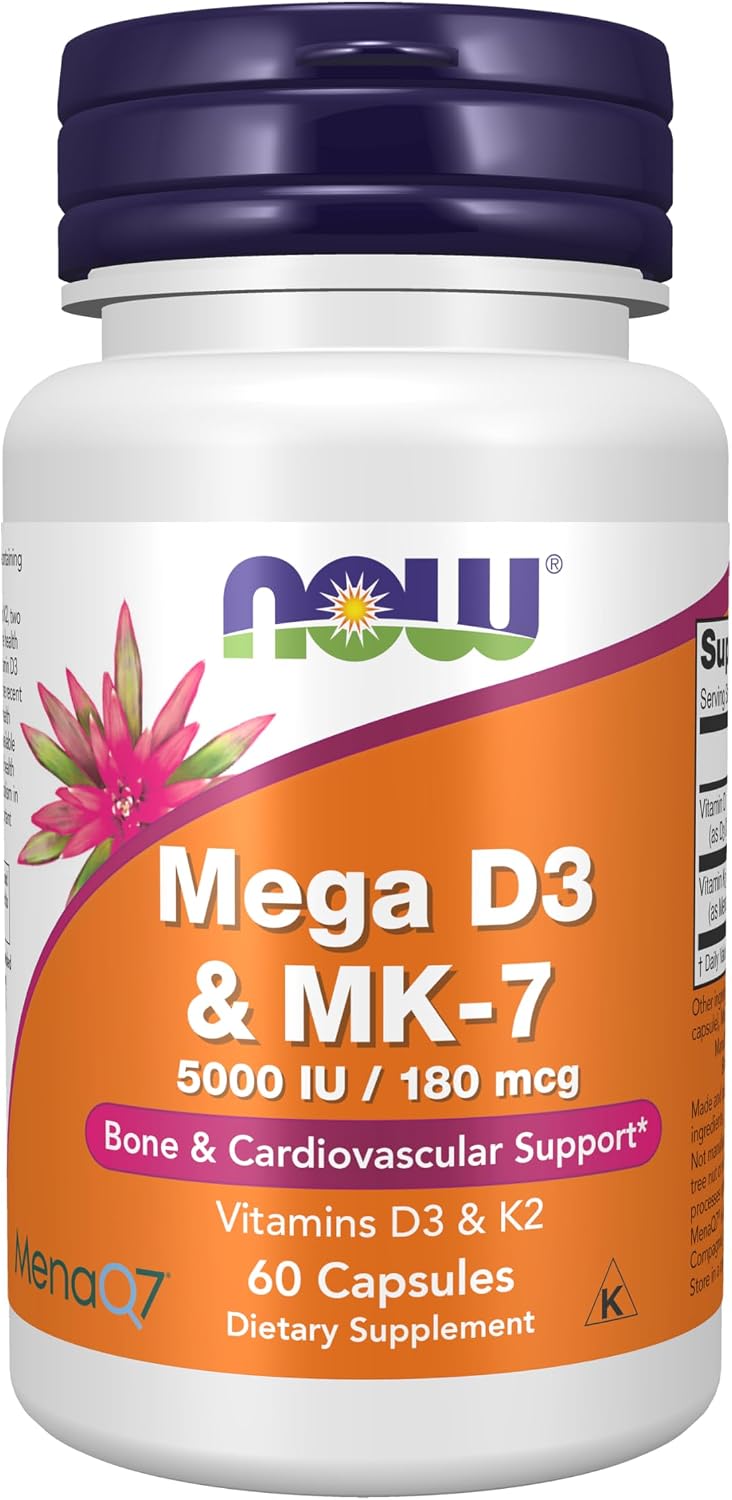
Vitamin D3 + K2
Vitamin D is the same nutrient no matter whose label it's on, so paying premium prices for it is mostly paying for marketing. NOW Foods gives you a clean, third-party-tested product that pairs D3 with K2 in a single capsule, at a fraction of what the boutique brands charge for the identical compound. It's the definition of good quality without overspending.
What to look for if you choose another brand: D3, K2 in the MK-7 form, and a third-party testing seal.
Worth knowing: K2 can interact with blood thinners like warfarin. If you take one, talk to your doctor before adding this.
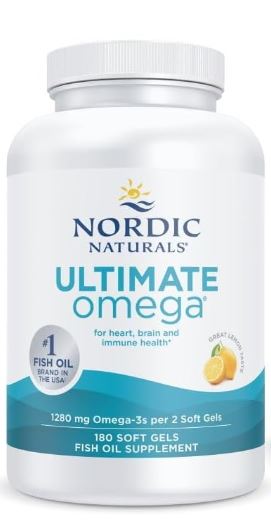
Omega-3s (EPA/DHA)
This is the one category where I wouldn't just grab the cheapest option, and it's worth understanding why: fish oil can go rancid, and cheap, oxidized fish oil is actually worse than taking none at all. Nordic Naturals is the long-trusted standard for freshness and purity, and it's still reasonably priced for what you're getting. Quality genuinely matters here in a way it doesn't for some of the others.
What to look for: a stated EPA/DHA amount (not just "fish oil"), third-party testing for heavy metals, and freshness or oxidation testing. Sports Research is a solid choice if you want something a bit cheaper.
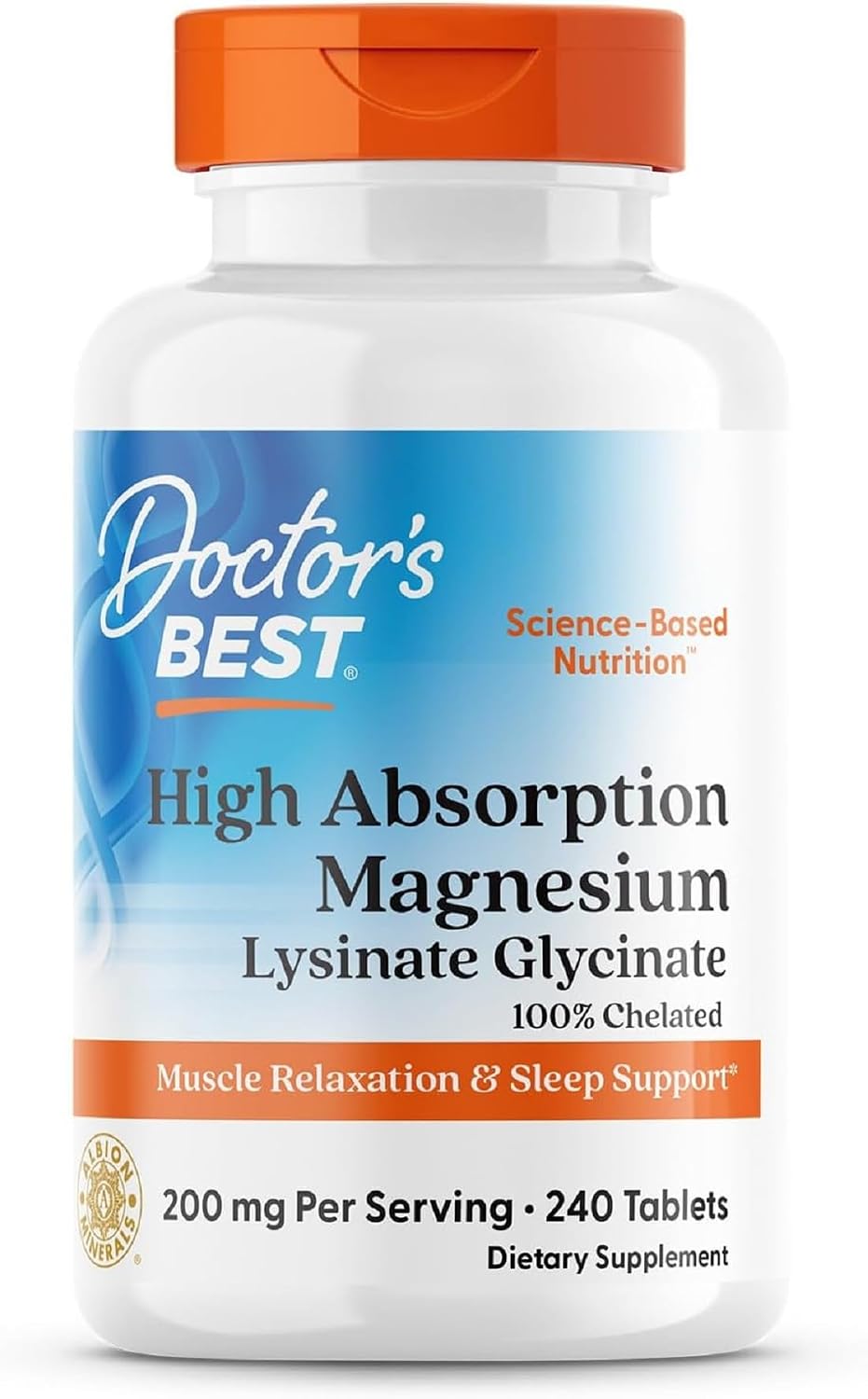
Magnesium Glycinate
Doctor's Best High Absorption Magnesium is the classic value pick — well-absorbed, third-party tested, and inexpensive. The important thing here is the form. This chapter calls for glycinate specifically because it's the gentle, well-absorbed version that supports sleep and relaxation. Cheaper drugstore magnesium is often oxide, which is poorly absorbed and mostly just acts as a laxative — not what you want.
What to look for: "glycinate" or "bisglycinate" on the label — not "oxide."
Worth knowing: if you have kidney issues, check with your doctor before supplementing magnesium.
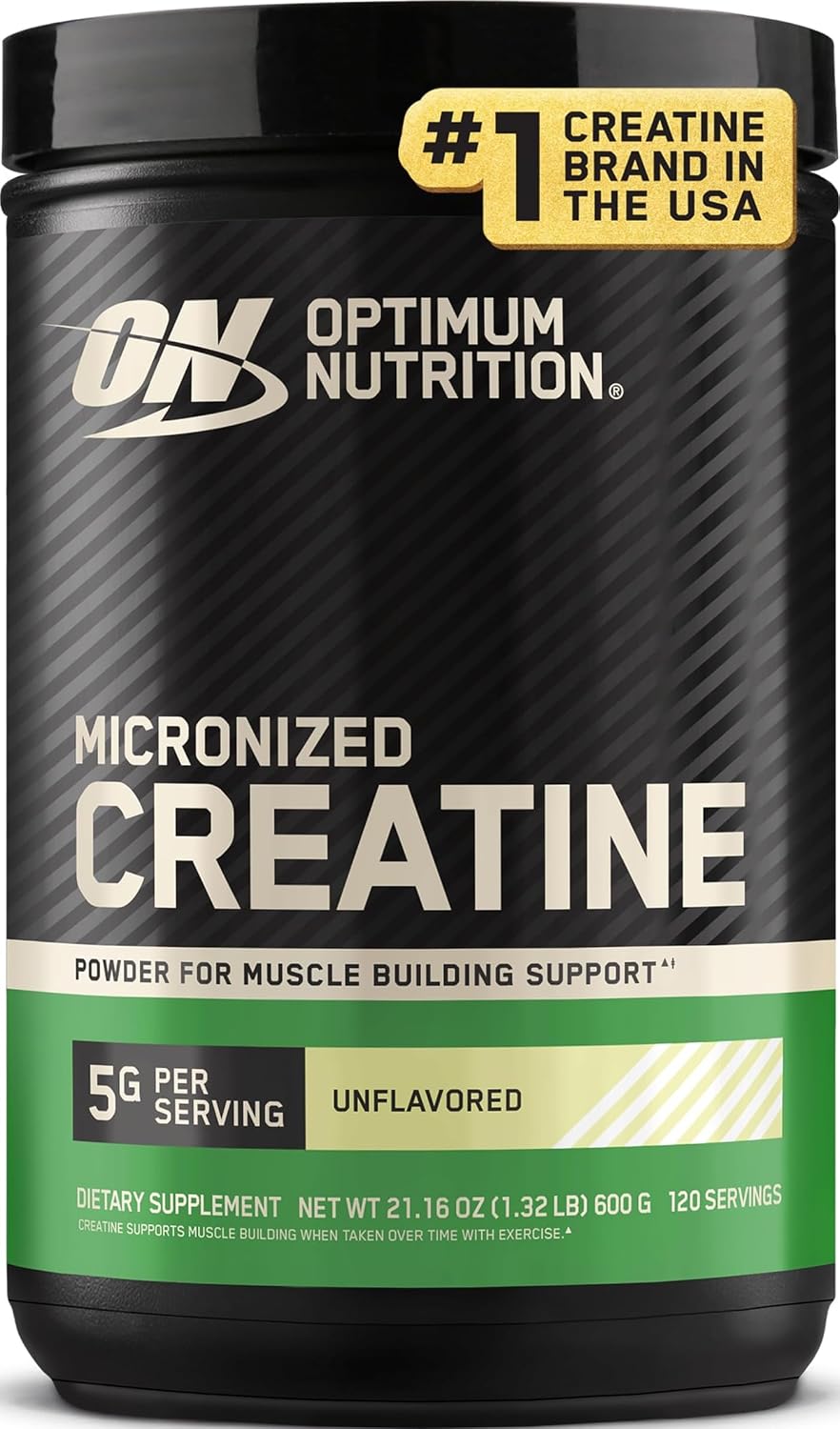
Creatine
This is the easiest one to be honest about: plain creatine monohydrate is chemically identical from brand to brand. There is no meaningful difference between a cheap monohydrate and a premium one beyond purity and testing — so do not pay extra for "advanced," "HCL," or "buffered" versions. They cost more and aren't better. Optimum Nutrition's micronized creatine is the reliable, inexpensive standard.
What to look for: "creatine monohydrate," ideally Creapure-sourced, third-party tested.
Worth knowing: if you have kidney issues, check with your doctor first.
.
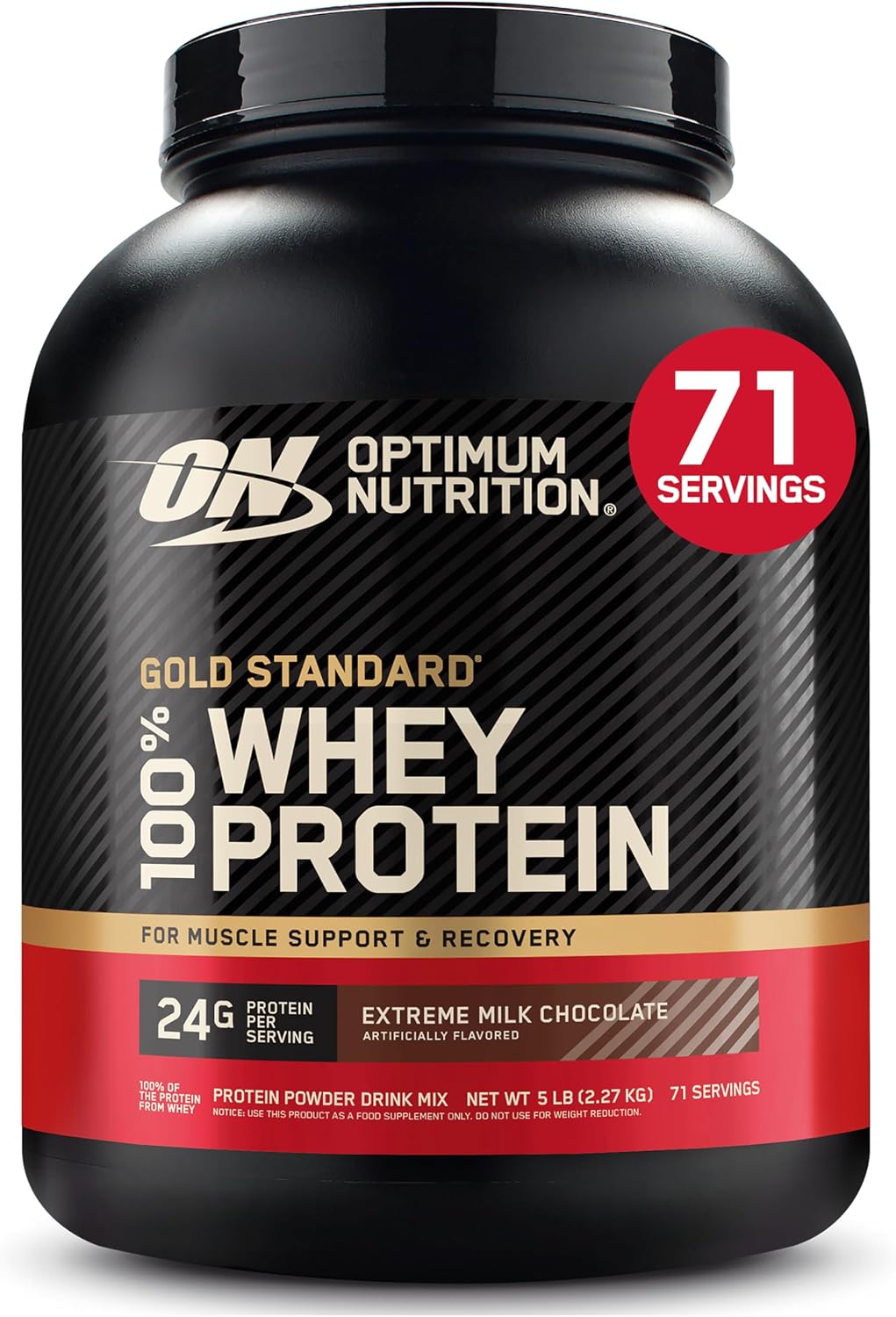
Whey Protein
The default for good reason — it's among the most widely third-party-tested, consistent, and fairly-priced whey proteins available, which is exactly the balance of quality and cost you want. Boutique protein brands routinely charge double for differences that are mostly cosmetic.
What to look for: whey isolate, or a blend with isolate listed first, around 20–25g of protein per serving, third-party tested (Informed Sport or Informed Choice is a nice bonus), with minimal filler.
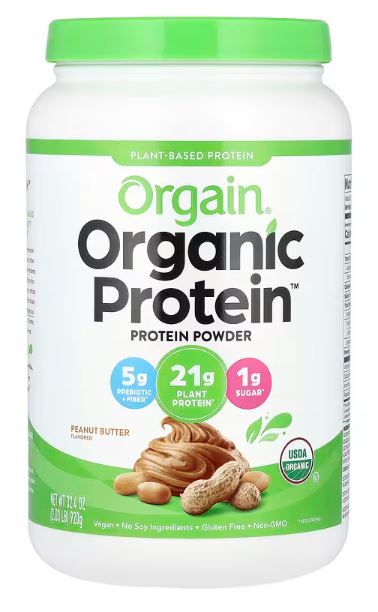
Plant-Based Protein
If you're vegetarian or vegan, the key thing to know is that plant proteins need to be a blend to give you a complete amino acid profile — a single-source pea protein on its own is incomplete. A blend (pea and rice is common) covers that. Orgain Organic is the accessible, good-value pick; Ritual is a cleaner, more premium choice if you'd rather pay for it.
What to look for: a blend of protein sources, a complete amino acid profile, third-party tested, and around 20g or more of protein per serving.